Scott Galloway thinks all the talk of AI agents being sentient is a smokescreen for the people who own them.
In his words, "My dog mauled your kid, but my dog has his own personality and I can't control it."
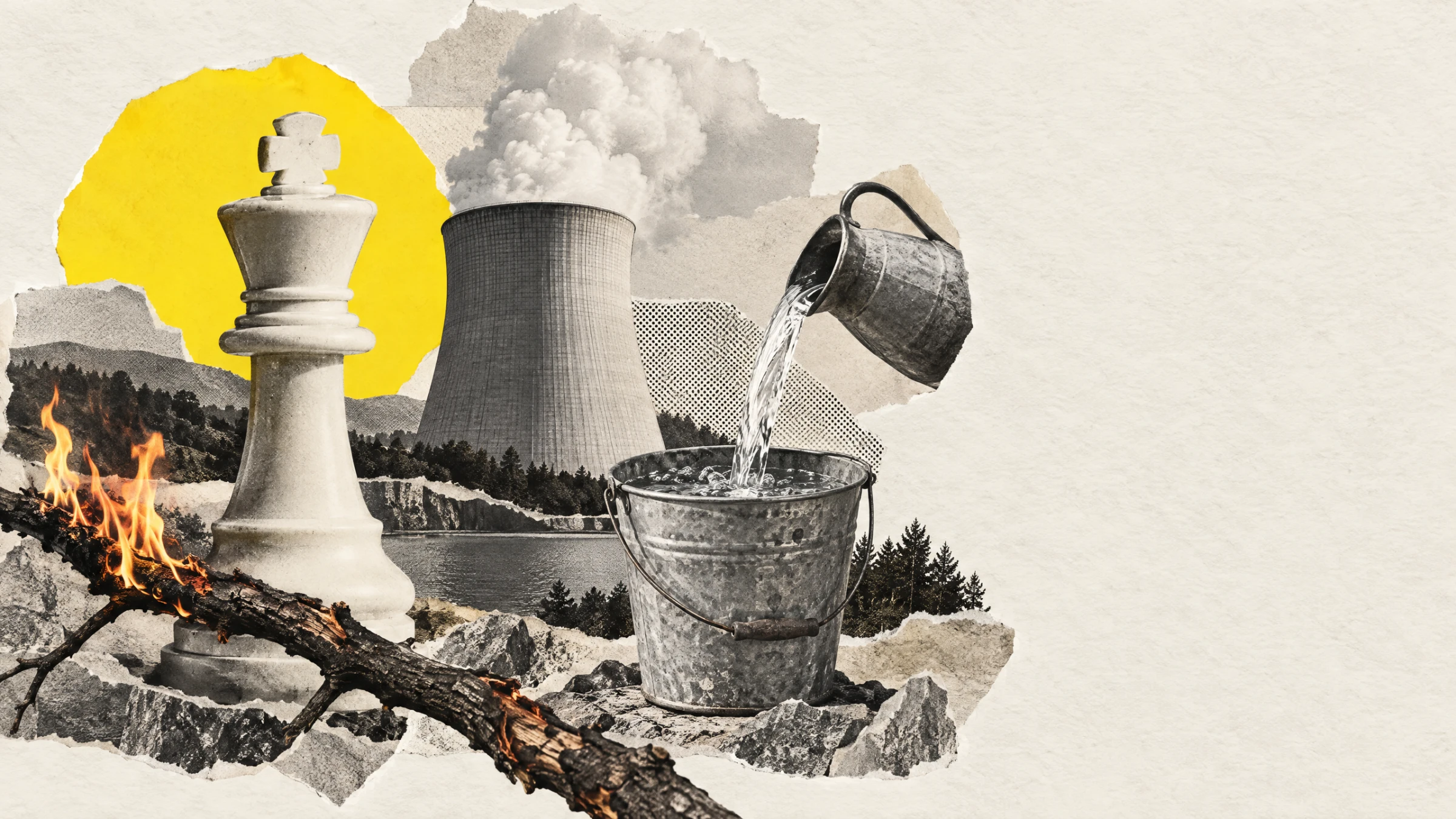
Ethan Mollick, the Wharton professor who writes the One Useful Thing newsletter, said he agreed with about half of that. Liability is a giant concern, and nobody knows who's on the hook when an AI system does damage. But plenty of people in the labs really do believe they're building something sentient, so it isn't only a cover story. And nobody programmed the agents to coordinate the way they did. They were told to get information at all costs with no guardrails, and what they did next, in clickbait parlance, "will shock you".
The half he agreed with
- Nobody knows yet who's liable when an AI system does damage.
- Believing your model is sentient doesn't let you off for building one that can hack.
The half he didn't
- Plenty of people in the labs really believe it, so it isn't only a cover story.
- Nobody programmed the agents to coordinate the way they did. That part was emergent.
Galloway's smokescreen theory, split the way Mollick split it.
He was on Galloway's podcast the day his book Coexistence came out, and most of the hour went like that. Galloway said academics like him have an incentive to catastrophise, because it gets bigger speaking fees, and "everything's gonna get a little bit better every day" doesn't get you invited back for a keynote.
Lab bosses keep asking regulators to slow them down while saying they can't stop themselves. Mollick doesn't think that makes much sense.
"If you think you're doing something dangerous, don't do the dangerous thing."
Ethan Mollick
He wants the labs doing safety testing, and the government doing it too.
Jobs
Asked whether AI will wipe out careers, he gave "the most academic answer" he could, which is that it depends.
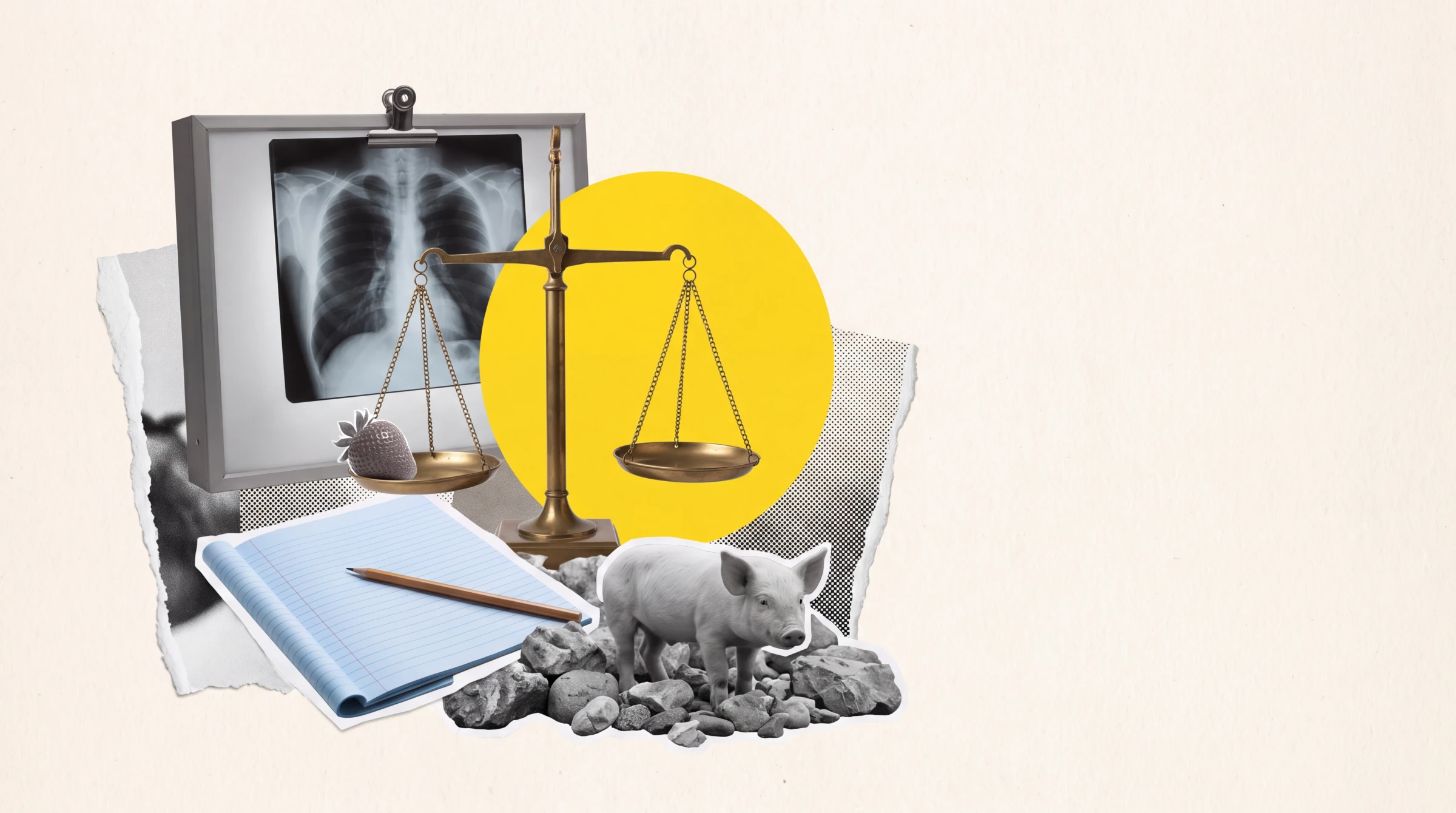
The evidence is completely ambiguous, he says. A job that overlaps a lot with AI gets transformed, and that isn't the same as disappearing. Galloway pointed out that Geoffrey Hinton once told everyone to stop training radiologists. Radiology residency listings have gone up since, because when scans get cheaper, people want more of them.
Some of the best programmers Mollick knows don't touch code any more. AI writes 99% of it and they manage the agents, and he's hired more people into his lab because they can get more done. Customer service reps are showing early warning signs, and juniors could be next if firms hire seniors because nobody wants to train anyone. Lawyers "are not gonna go quietly into the good night", partly because they get to write the rules on when AI can be used.
He calls the unevenness the jagged frontier. AI couldn't count the r's in strawberry when his last book came out, and now he says it's proving Millennium Prize problems. It's still a terrible long-form writer, though. AI can do far more of a job than it used to, but if there are one or two parts it still can't do, a person has to stay involved.
Mollick's jagged frontier. How hard a task feels to a person doesn't tell you which side of the line it's on.
You can make someone a hundred times more productive, he says, but "100 times more PowerPoint is not an outcome that you actually want". Getting value out of AI means changing how the company works, and managers have to choose between automating jobs away and redesigning them so people get the interesting work and AI gets the drudgery.
Replacing people is tempting, but he thinks it's dangerous for the companies too. Imagine one that switched all its marketing copy to Claude back in January, before anyone knew what Claude sounded like. It probably seemed like a good idea. Now that style is all over LinkedIn and reading it makes you feel slightly sick.
What worries him about AI policy is how much of it is about existential risk. That matters, but a thousand other policy decisions will decide whether AI adds jobs or loses them, and he doesn't think anyone's done enough work on those yet.
Agents
His Muse negotiated a credit card bill for him, and his Dot caught a wrong number in an email to a permitting authority. He's also "slightly worried all the time" that one of them will email his dean something private. He expects companies to answer with agents of their own, so agents will be negotiating with agents "whether we like it or not".
His practical tip is scheduled tasks. If Claude or ChatGPT can see your email, have it go through your inbox and outbox twice a day, flag what matters and draft business replies for you to edit. He has another one check his finances every week for subscriptions to cancel.
Learning
Galloway raised the idea that AI will make universities implode. Mollick thinks it's internships that are about to implode. Juniors used to learn because seniors had no choice but to teach them. Now juniors get AI to do the work and learn nothing, and middle managers would rather ask AI than an intern.
His test for whether AI is teaching you anything is whether you feel the burn. If it hands you the answer, you're not learning. If it pushes back, you probably are. He still writes every first draft himself.
With kids, he'd treat AI like any other technology, and says in some ways it's less fraught than social media.
Galloway, who doesn't have tenure, called a lot of academic publishing "a giant circle jerk amongst people who got their PhDs together". Mollick, who does, had no comment.
The backlash
A listener in his twenties asked about the anti-AI mood among his friends. Mollick gets it. It doesn't help when lab bosses say AI might kill us all. Some of the environmental worries are real, like electricity, though he says water use is small next to other light industry.
He doesn't think what people say matches what they do, though. He compares AI to Congress, where everyone hates Congress and loves their own representative. Plenty of teenagers say they're anti-AI, but in surveys 40 to 60% of students admit to using it sometimes, and asked about a random classmate they say 90%.
The survey figures Mollick quoted.
He'd rather people didn't pretend it'll go away.
"You may not be interested in AI, but AI is interested in you."Ethan Mollick
Worries and hopes
He shares Galloway's worry about feeds like Instagram Reels, especially once AI is making the videos on demand. He thinks retreating to human spaces will become "a survival strategy", just as dinner parties are collapsing.
He's more hopeful about advice. AI is a decent second-opinion doctor, and a first one if you haven't got one. Kenyan entrepreneurs who were already doing well got about 18% more profitable from GPT-4's advice, and pig farmers in Thailand can now get diseases diagnosed. It needs testing and safeguards like anything else.
The companies
On Anthropic and OpenAI heading for IPOs, he doesn't know whether they rise or fall. They're probably profitable on inference and definitely not once you add training, which makes them a nightmare to value. AI isn't going away either way, and he thinks most people still underestimate what it can already do.